Alexander Zverev became reflective after he clinched championship point in Sunday’s Roland Garros final.
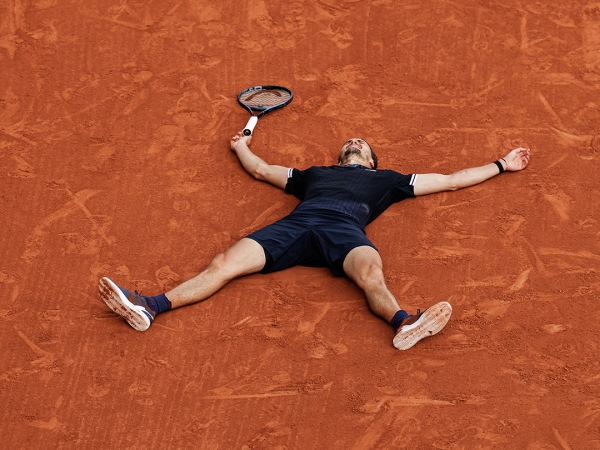
Having completed a draining five-set win over Italy’s Flavio Cobolli, Zverev collapsed to the clay and remained there, overcome with emotion.
In his fourth Grand Slam final, and at 29 years of age, he had finally claimed the Grand Slam singles title he’d long craved, and had many times previously come so close to achieving without breaking through.
“I was laying on this court with an injury that I didn't know if I will ever come back from,” Zverev recalled of the serious ankle injury he sustained in the 2022 French semifinals.
“I lost a Grand Slam final here. All of those memories for me, they're not wiped out. They're still with me, but this one will beat all of them.”
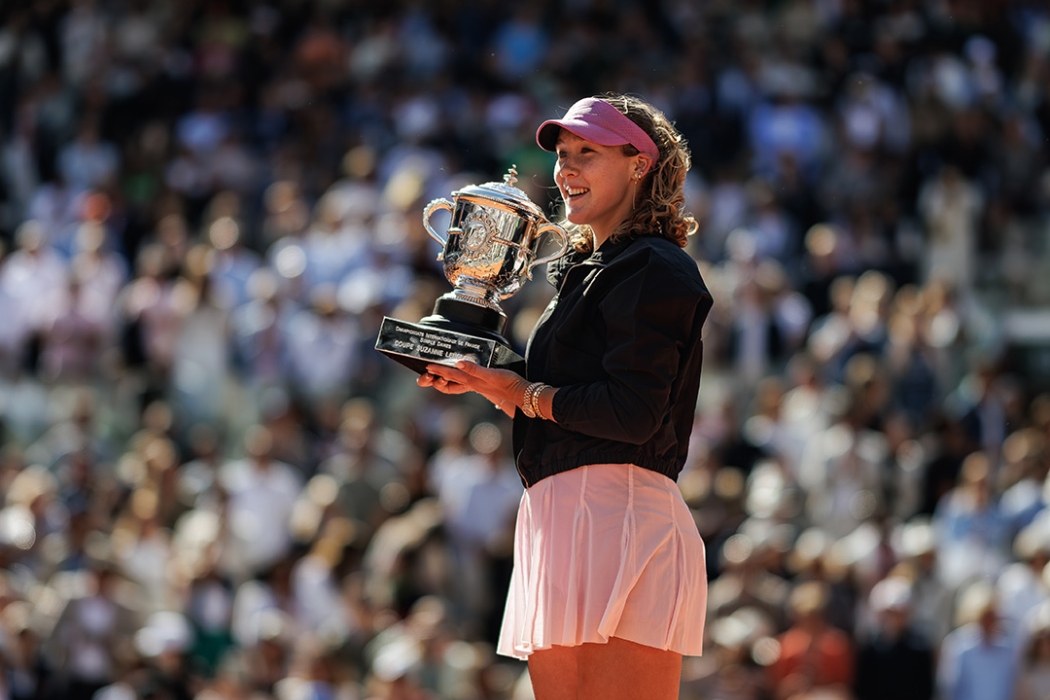
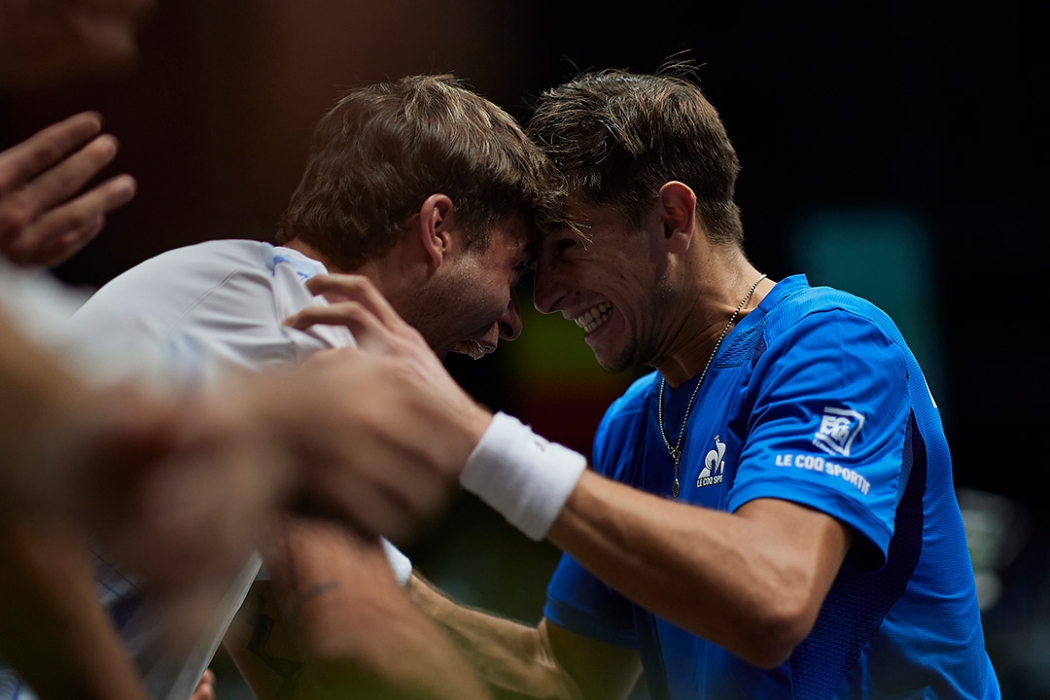
That ankle injury kept him out for six months, but a year later he was back in the Roland Garros semifinals and had returned to the top 10 by September 2023.
It was arguably the mental scar tissue of major final losses that held him back longer.
The Grand Slam final he lost in Paris was against Carlos Alcaraz in 2024, in which he led two sets to one yet fell in five.
His first major final, four years earlier at the US Open, was lost from two-sets-to-love up, and Zverev also served for the title before succumbing to Dominic Thiem.
He lost a third in straight sets to Jannik Sinner at Australian Open 2025, entering Sunday’s final in Paris trying to avoid becoming just the third man after Ivan Lendl and Andy Murray to lose their first four Grand Slam finals.
The weight of that burden was clear at various points against Cobolli, who won the fourth set against a cramping Zverev and began the fifth threatening to pull off an enormous upset in his first Slam final.
“I was struggling physically a little bit, even though I don't think the cramps were physical,” Zverev conceded. “I think they were more mental. I was very tightened up. I was very emotional. I was a bit unstable also in the fourth set.
“I actually think that the cramps helped me in a way. I think that I let go. And, of course, the fifth set went my way, and I'm happy about that and happy to be sitting next to this beautiful trophy for the first time.”
The 6-1 4-6 6-4 6-7(5) 6-1 win was Zverev’s 125th career match victory at a major, the most any man has required to win their first Slam singles title. He did so in his 41st Grand Slam main draw, second only to Goran Ivanisevic, who played in 48 before finally breaking through for his first major at Wimbledon in 2001.
And he completed the achievement without facing a top-10 player, the first man to do so in 38 years at Roland Garros.
Yet that statistical quirk occurred in part because two-time defending champion Carlos Alcaraz did not compete in Paris, world No.1 Jannik Sinner suffered a staggering second-round loss and 24-time major champion Novak Djokovic exited in round three.
With all fellow top-four members cleared from his path, the world No.3 became the heaviest of favourites as the fortnight unfolded.
“I honestly feel like I've managed the last two weeks extremely well, because with all the losses that happened early on with Jannik going out, with Novak going out, I managed to stay composed, I managed to stay calm in my mind, and I feel like I was playing really, really good tennis,” Zverev reflected.
“But then today [in the final] I feel like I didn't manage so well. I feel like the match was a lot more up and down. I think the level was not as stable as the previous matches for me, and I was a lot more nervous, which at some stage is also human, I think.
“That's why I say the cramps helped me in a way, because my mind let go. I started swinging more freely. I started hitting the ball a bit more aggressive. I couldn't focus on being tight anymore. I had to kind of let go.”
Zverev now owns one of every ‘big’ title categories in tennis, with his Roland Garros trophy sitting alongside seven Masters titles, two victories at the ATP Finals, and his Olympic singles gold from Tokyo 2020.
And that process of letting go could stand him in good stead going forward.
Having finally freed himself of the unofficial tag of ‘best player never to win a major’, and able to compete without the burden of that earlier scar tissue, is Zverev poised to become an even greater force at the majors?
“Yeah, maybe,” he said.
“It happened for me very early at the Masters Series because I won one when I was 20 years old, and I've won a lot of Masters after that. So I had that release at a Masters-level event very quickly, and at a Grand Slam it took longer.
“Now no matter what happens, I will always be a Grand Slam champion, and nobody can take that away from me. Maybe, yeah, that does give me some freedom. Maybe my mind will just be a little bit calmer when I play a final, meaning that even if I lose it, I will still be a Grand Slam champion.
“I think this trophy for me is very important, because if I would have lost this one, the self-belief would have gone down a lot.
“But now that I've won it, I feel like I can do it again.”