Each January, when the Summer of Tennis rolls around, many casual fans reconnect with the sport and the Australian Open becomes appointment viewing.
But if it’s been longer than a year since you watched tennis, that reconnection might seem daunting.
Who are the top players now? What are the exciting rivalries? Which rising stars should you be looking out for? What are the storylines to be across? And who’s expected to do well at the AO?
They’re fair questions, and hopefully, with this overview, you’ll have the context you need to take your tennis-viewing experience to the next level.
The Alcaraz-Sinner duopoly
In the past two years, Carlos Alcaraz and Jannik Sinner have risen to completely dominate men’s tennis.
Between them, they’ve won all eight Grand Slam tournaments played in that time – splitting them evenly, with four each – and have clashed in the past three major finals, with their Roland Garros decider being especially epic.
Their rivalry, built on electrifying tennis and mutual respect, has grown to the point their match-ups are unmissable.
The AO is now the only Grand Slam tournament at which they’re yet to meet, and that could happen in the final at AO 2026, given they’ll be the top two seeds at Melbourne Park.
In fact, they’re so far ahead of the pack at world No.1 and No.2 that second-ranked Sinner has more than double the ranking points of world No.3 Alexander Zverev.
Should either Alcaraz or Sinner win AO 2026, ‘Sincaraz’ will have won nine consecutive Slam titles as a duo – approaching the Open-era men’s record of 11, held by Roger Federer and Rafael Nadal.
Women’s tennis is not so open anymore
For years, the narrative surrounding women’s tennis was that “anyone can win”.
And it was true – after Serena Williams won AO 2017, then announced her pregnancy and left the tour, women’s Grand Slam tennis was a comparative free-for-all. From that point, until the end of 2021, almost half the major titles were won by women ranked outside the top 10.
But not anymore.
Iga Swiatek wrested control of the tour in 2022, and since the beginning of 2023, she, Aryna Sabalenka and Coco Gauff have emerged as a stable leading trio, combining to win nine of the past 12 Grand Slam trophies.
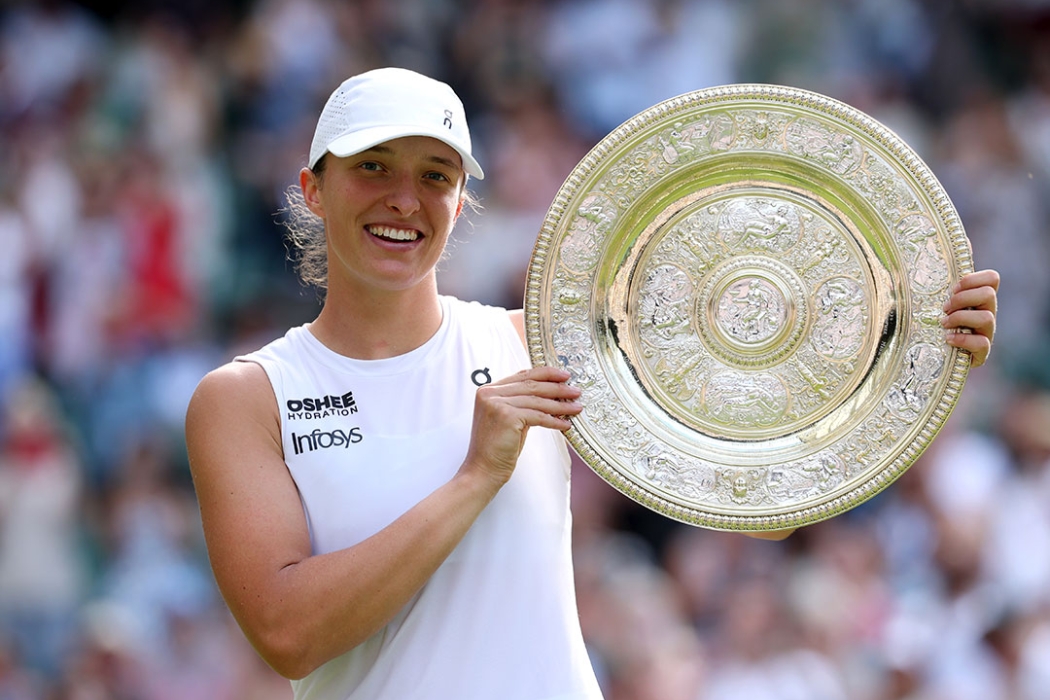
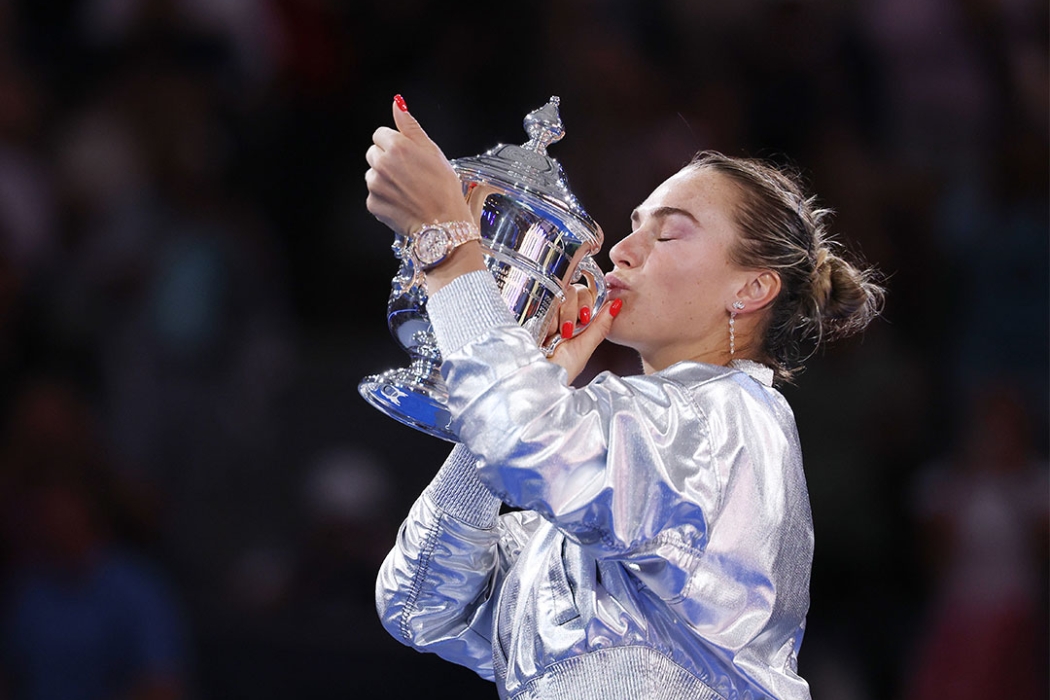
They’ve also finished the past three seasons as the world’s top three players, making them the first trio to achieve this feat since the 1980s.
The last trio to hold the top three year-end ranking positions for three consecutive seasons? It was the great Martina Navratilova, Chris Evert and Steffi Graf, from 1986 to 1988.
A legendary new generation
Swiatek now owns six Grand Slam singles titles (she’s a perfect 6-0 in major finals) just like Alcaraz, who has won six Slam trophies from seven finals.
Swiatek is aged 24 and Alcaraz is just 22, yet incredibly, both will attempt to complete the career Grand Slam at Australian Open 2026.
Sabalenka and Sinner, already four-time Grand Slam champions, will be their biggest obstacles. And they’re arguably even bigger favourites for the AO 2026 titles.
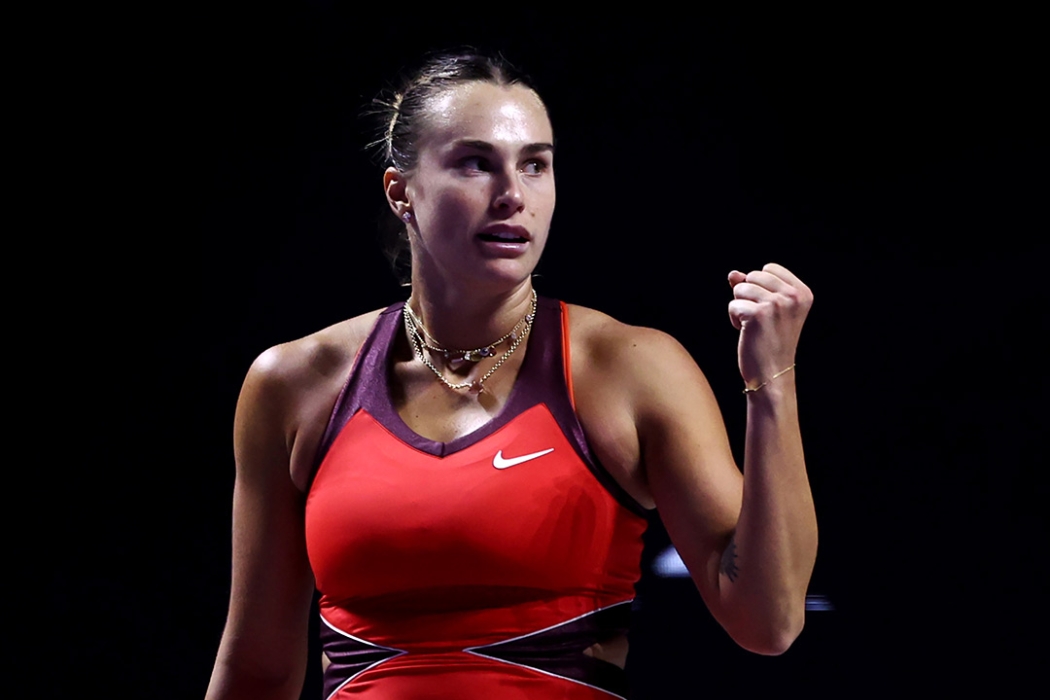
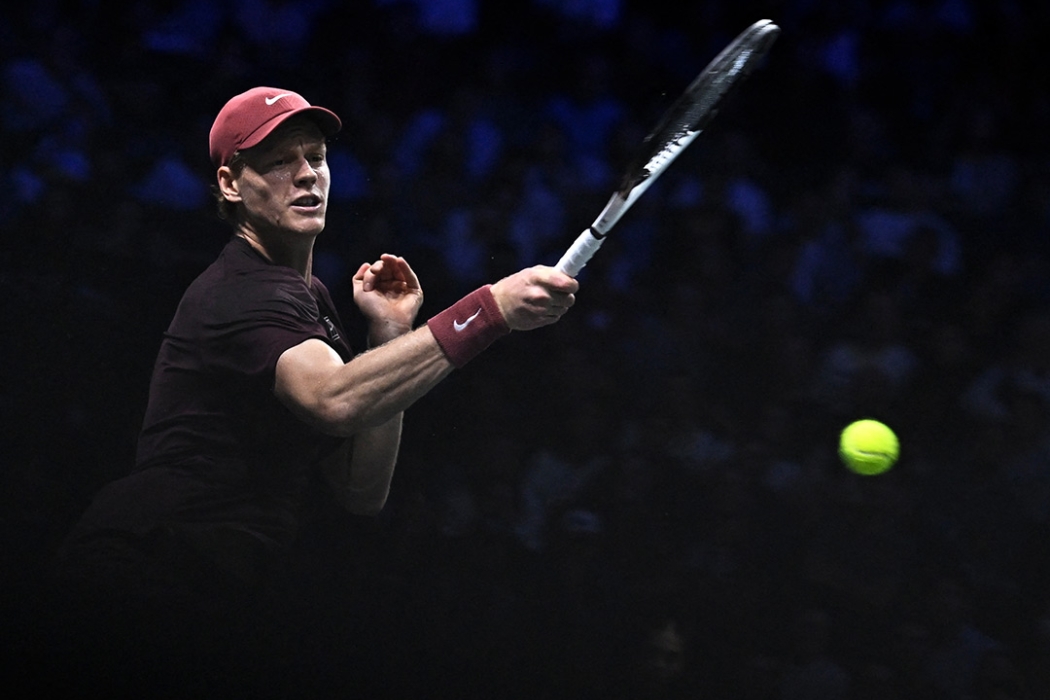
Two-time defending champion Sinner is aiming to become just the second man, after Novak Djokovic, to win three straight AO singles titles. World No.1 Sabalenka, meanwhile, will play for her third AO title in the past four years.
Just a few short years after Federer, Nadal and Williams departed, we’re already seeing a new generation racking up major titles – with plenty of years ahead of them to accrue more.
Never underestimate Novak
We’re almost 20 years on from Djokovic’s Grand Slam breakthrough at AO 2008, and at 38 years of age, he’s an enduring force.
Behind Alcaraz and Sinner, Djokovic was best player at the majors in 2025, and the oldest man in Open-era history to reach all four Slam semifinals in a single season.
The world No.4 enters Australian Open 2026 having won 27 of his past 31 matches, and on the brink of incredible history – should he win, he’d be the oldest Grand Slam singles champion of the Open era, with an all-time record 25 major singles titles.
Four months out from his 39th birthday, Djokovic is not the only decorated veteran still thriving in the game.
There’s 45-year-old Venus Williams, soon to compete in her 22nd Australian Open campaign, and Stan Wawrinka, the 40-year-old helping Team Switzerland into the United Cup quarterfinals. Plus, there’s 39-year-old Gael Monfils, who will appear at the AO for the last time in 2026.
The ‘third’ player in men’s tennis?
Djokovic emerged at AO 2008 as the player to interrupt the dominance of Federer and Nadal, and went on to join them as part of the vaunted 'Big Three'.
The question has now become: which player might do the same in this Alcaraz-Sinner era?
“I kind of empathise with the third guy, because I was in those shoes with Federer and Nadal,” Djokovic smiled at the US Open. “I want to see a third guy coming in.”
RELATED: Will a third player emerge to challenge Alcaraz and Sinner?
There are a few candidates. Several tennis observers have identified Jack Draper and Holger Rune as potentials, although both are injured and will miss AO 2026.
Two players heading to Melbourne Park are Jakub Mensik and Joao Fonseca, who many believe possess both the talent and confidence to ultimately challenge the ‘Sincaraz’ stranglehold.
Rising stars…
Mensik and Fonseca are just two players within a wave of young talent emerging in the sport, which continues to regenerate.
At AO 2026, be sure to keep an eye on the prodigious Mirra Andreeva – who’s already in the top 10 – and her fellow teen stars Victoria Mboko and Maya Joint, both expected to be seeded at Melbourne Park.
IN FOCUS: Seven rising stars set to shine at AO 2026
There are now six teenagers in the WTA top 100 – up from just one this time last year – while there are also many exciting youngsters on the men’s side including Learner Tien, who just turned 20 and who returns to the AO after his fourth-round run in 2025.
Tien sits at a career-high ranking of world No.26, one of seven ATP stars aged 21-and-under inside the top 100.
… and resurgent stars
It’s not only the youngsters enjoying success and who fans can look forward to seeing succeed at the Australian Open.
In 2025, stars like Naomi Osaka, Felix Auger-Aliassime, Amanda Anisimova, Emma Raducanu and Alexander Bublik rediscovered some of their best tennis and reasserted themselves at the top of the game.
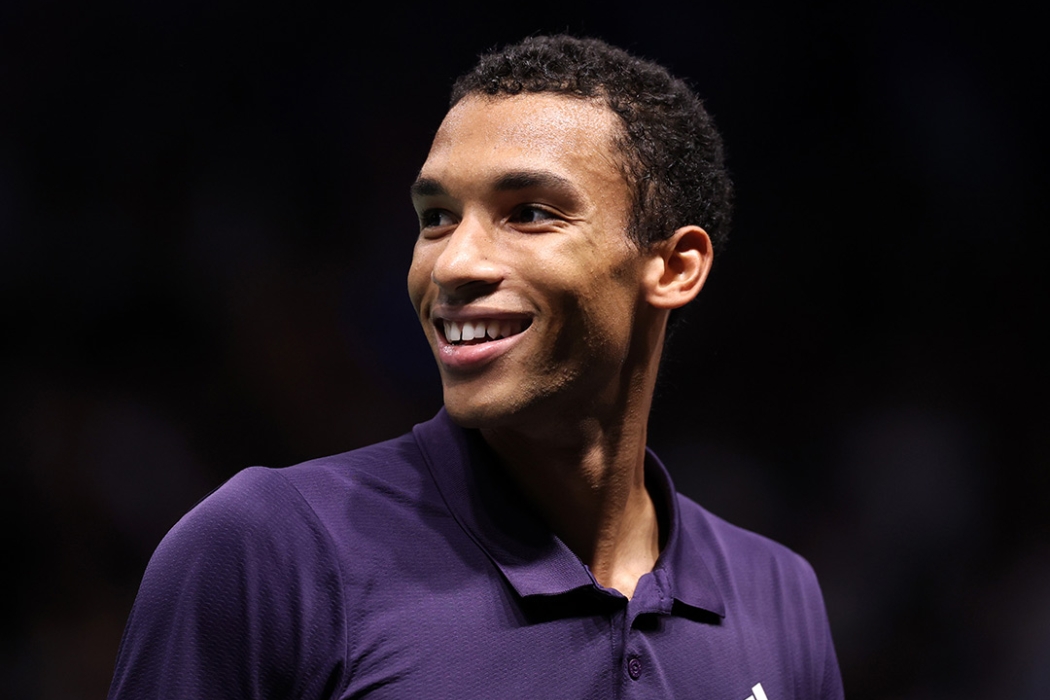
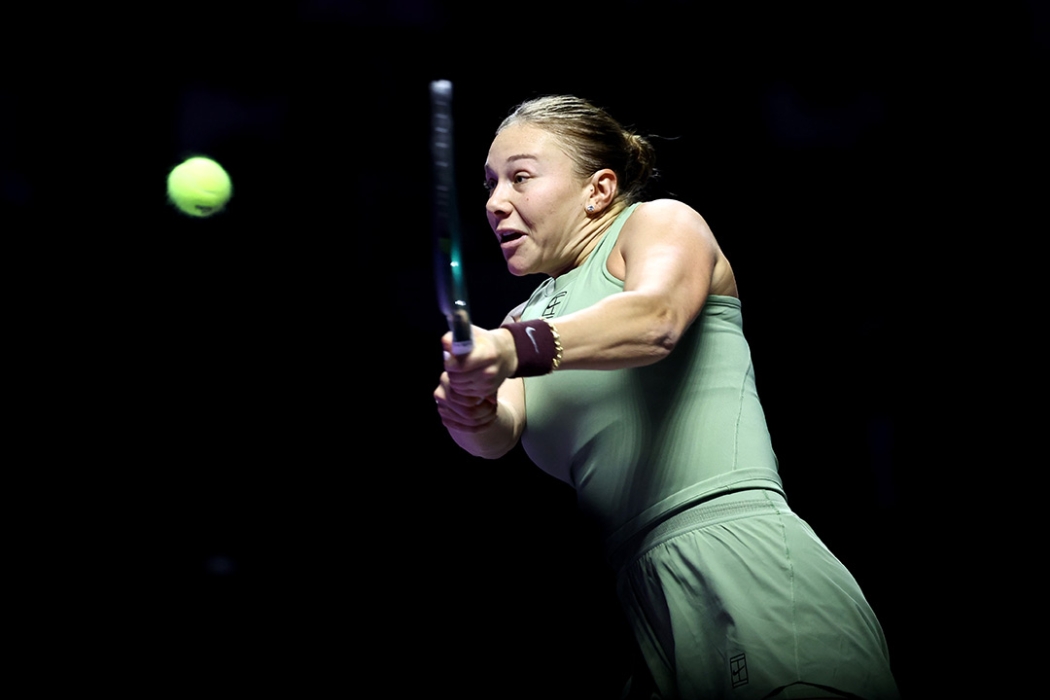
Anisimova – the Wimbledon and US Open finalist – and Auger-Aliassime are now top-five threats. Osaka, by reaching the US Open semis, scored her best Slam result in nearly five years and returned to the top 15 after falling as low as No.61 in March.
Bublik won four ATP titles in the second half of 2025 and is on the brink of becoming a top-10 player, while Raducanu is in line to be seeded at a Grand Slam for the first time since the 2022 US Open.
Demon leads the Aussie charge
Meanwhile, Alex de Minaur has developed into a bona fide star in men’s tennis who once again spearheads the Australian contingent.
Having finished the past two seasons inside the top 10, he’s targeting a deep run at AO 2026 after reaching his first quarterfinal in 2025.
He’s one of eight Aussie men in the singles main draw, while world No.32 Joint is the highest-ranked of eight Aussies set for the women’s singles event.
With Australian players also set to compete in singles qualifying, doubles, juniors and wheelchair championships, there are more than 50 local players for fans to cheer on at Australian Open 2026.