Entering her Australian Open 2002 quarterfinal against Venus Williams, Monica Seles faced an opponent she’d never beaten, at a stage of a major tournament where she’d stumbled five times previously.
At the time Williams was the game’s most impactful player, targeting her third consecutive Grand Slam title.
But in a match that recalled Seles’ heady peak, the veteran upstaged Williams 6-7(4) 6-2 6-3 to reach her first Grand Slam semifinal since 1999.
It proved to be the last significant win of Seles’ storied career at the Australian Open – a contest you can now watch in full on the tournament’s YouTube channel.
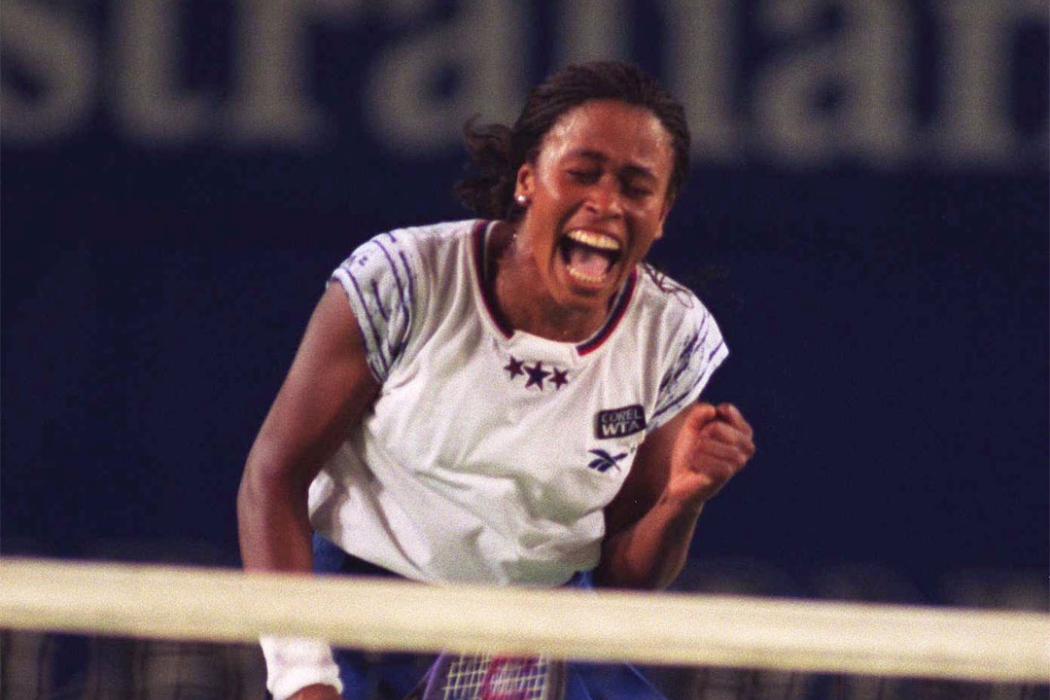
Williams was the reigning Wimbledon and US Open champion and had won her past four tournaments, including the Gold Coast title to open the 2002 season. By reaching the quarters at Melbourne Park, she’d built a 24-match winning streak, winning 48 of her past 50 sets.
Despite being the tour’s dominant player she was ranked No.3 and seeded second, her position impacted by her decision to shut her 2001 season down post-US Open to focus on study.
"Venus was definitely the it-girl,” recalled Suzi Petkovski, tennis writer and historian who covered Australian Open 2002 for Tennis Week.
“She was the uber-athlete versus the king-hitter in Seles. You see the greatness in both of them, in this match.”
Australian Open 2002 was a compelling event, especially on the women’s side, where seven of the top eight seeds reached the quarterfinals. In the top half of the draw, defending champion Jennifer Capriati took on Amelie Mauresmo while Belgians Justine Henin and Kim Clijsters clashed. All four of those players are now Australian Open champions.
Yet Williams-Seles was the biggest blockbuster of all, and the only one of the four quarterfinals to extend three sets.
Seles was already a four-time AO winner and a fan favourite, especially considering the horrific circumstances she’d been forced to overcome when she was stabbed on court in 1993 and missed more than two years of competition.
She had also rediscovered form, scooping three consecutive titles in late 2001 and taking to the court against Williams unbeaten in 17 matches.
"She never looked uncertain what do to; she could be outplayed, but was never uncertain about what she was trying to achieve,” Petkovski recalled of the encounter, which she watched inside Rod Laver Arena.
“She was always on the front foot, and her body language was so positive, which I found fascinating, because she was 0-6 against Venus going into this [match].
“Again, it’s why she was such a champion.”
Williams was physically compromised, playing with both wrists taped and tape under her knee – all to manage tendonitis – as well as leaving the court midway through the first set to get her upper leg strapped.
She nevertheless managed to snare the first set behind her monstrous serve, the biggest in women’s tennis at that time.
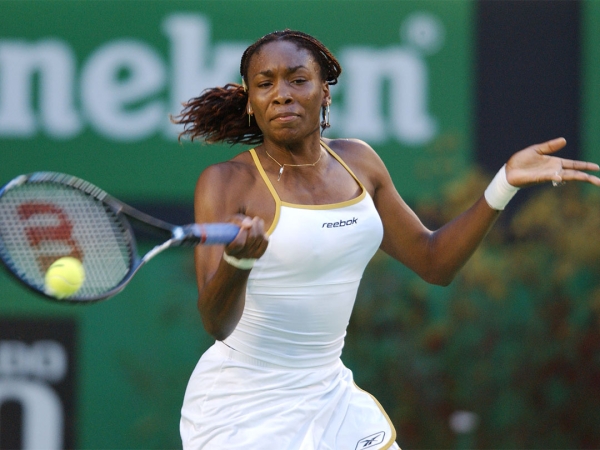
"I was thinking back to when Monica won the epic AO 1993 final against Graf, when she's down in the second set and she fired a 164km/h ace down the middle, which was the fastest serve of the match,” said Petkovski, referencing another full match ausopen.com revisited.
“That was seen as a bomb in those days. And then [in this match] Venus is serving at 192km/h against Monica.
“Nine years on, it spoke to the new athletic level that the Williams sisters brought to the game. And to Monica's credit, even against the biggest serve that we'd seen, she was still standing inside the baseline to fire her returns.
“She knew she could not afford to be put on the defensive. Once her movement was involved, and she was forced to take a second hand off the racquet, then she was playing defensive ball and she wouldn’t survive against Venus.”
Deep in the third set, Williams staged one final surge, arriving at 0-40 when Seles was serving with a 4-3 lead.
Seles erased all three break points to move ahead 5-3, then broke Williams to complete a famous triumph.
Martina Hingis ultimately ended her run in a thrilling semifinal, the last time Seles would advance that deep at a major tournament.
A few weeks later, Williams debuted at world No.1, and avenged her AO defeat to Seles at both Roland Garros and the US Open later that year. She also beat Seles at the 2002 WTA Finals, meaning this remains Seles’ only victory against Williams in 10 career meetings.
By the time 2003 rolled around, Seles was contending with a foot injury, falling in the second round of the Australian Open to qualifier Klara Koukalova.
She then lost in the first round of Roland Garros to Nadia Petrova – the last professional match of her career.
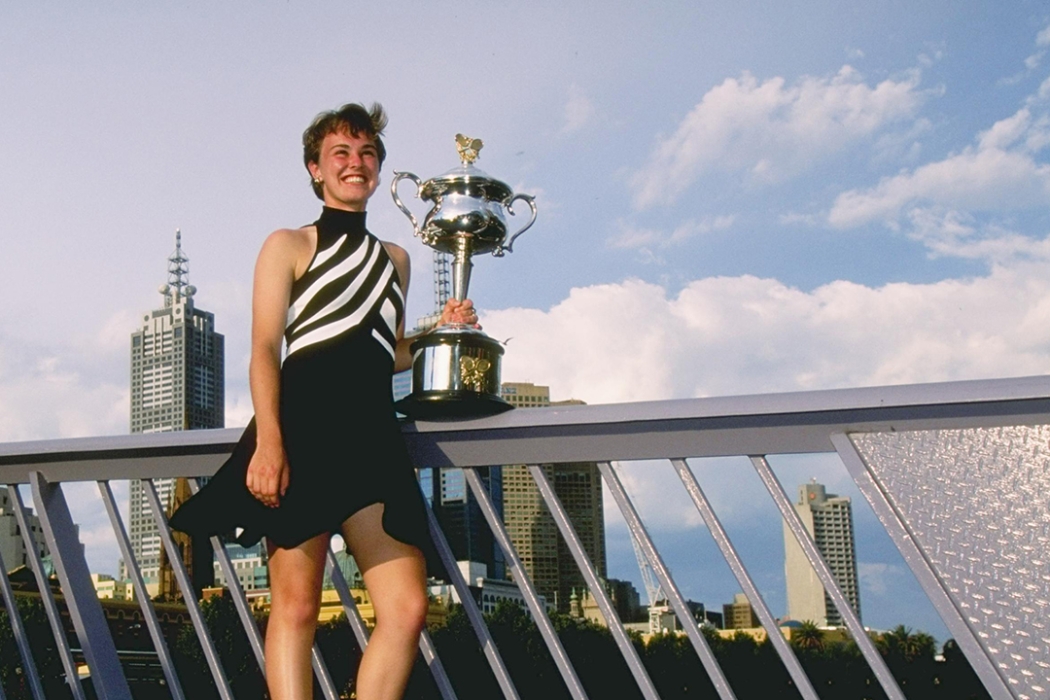
"She picked her moment and did everything right when Venus was a little bit compromised,” Petkovski said of their AO 2002 classic.
"I think it makes it way more enjoyable watching it, knowing that was the last time she played so well here, and at a Grand Slam. It makes it more poignant – and there's already so much poignancy in Monica's career.
“It could be that she proved to herself she got back there at the top level, competing for big titles. Maybe that was the motivation she needed, because she always said she never played for No.1 or Grand Slam titles, but instead because she enjoyed playing.
“She proved to herself that she'd put all that past trauma behind her – which was not easy – and could compete, and was level pegging with the top women in the world again.”
Seles v Williams is one of a growing number of full AO matches uploaded to YouTube from the archives as part of a comprehensive digitisation project.