The Australian Open has come a long way since 1905. Once a far-flung stop on the tennis calendar, it’s now a summer spectacle that blends elite sport with a sizzling festival spirit.
As the year’s first Grand Slam tournament, the AO carries its own legacy, its own atmosphere, and its own pulse. Its position in the Southern Hemisphere – and both the literal and cultural distance from the other majors accompanying that – is exactly why it stands apart.
Here’s how the Australian Open hits different.
The biggest show in tennis
The Australian Open is the most attended tennis event on the planet.
Across its three-week stretch, Melbourne Park drew a surge of local and international fans, with a record 1,218,831 people coming through the gates in 2025.
And while tennis takes the spotlight, fans also come for exciting live music, cult food favourites, immersive gaming, and the balmy twilight sessions that define Melbourne’s summer atmosphere.
The Happy Slam energy
After 11 months of travel, practice, media, and competition, many players crawl to the finish line of the tennis season. But soon, after a short rest, the itch to strike tennis balls returns in full force.
That’s why Roger Federer’s nickname for the AO – “The Happy Slam” – has endured.
OPENING CEREMONY: AO welcomes Roger Federer back to Rod Laver Arena
Arriving with a sense of renewal, optimism and fresh energy, players compete in an environment that feels less like a pressure cooker and more like a blank slate.
It also helps that the tournament is one of the most player-friendly stops on tour: top facilities, great cuisine and a site located minutes from where most players stay.
“Everyone is super pumped to be on court again,” said former world No.5 Daniela Hantuchova.
“The food is amazing; if you’re trying to eat healthier, Melbourne is the place to be. Everyone in the city is very active. You can get up in the morning and go for a run along the Yarra River, and you end up seeing other players, coaches, and commentators doing the same thing.”
The season’s first statement
The Australian Open is the first opportunity for players to send a message to the tennis world.
This year, all eyes are on Carlos Alcaraz and Iga Swiatek, each one title away from completing a career Grand Slam. A major in Melbourne would not only fill the gap in their Grand Slam collection, but also set the stage for the monumental calendar-year sweep.
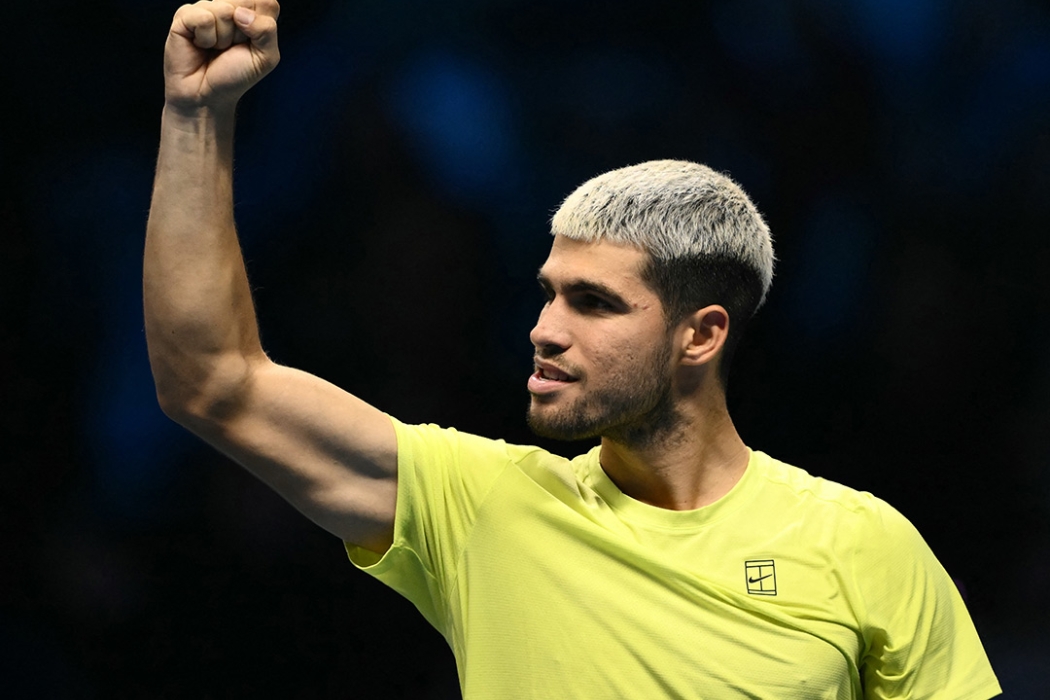
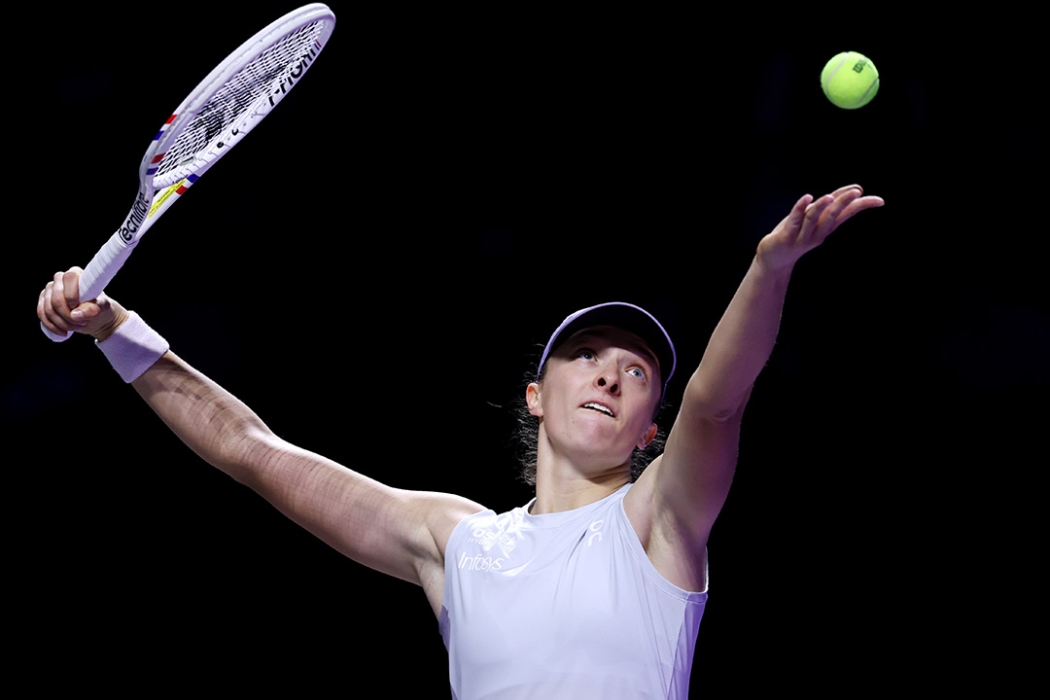
“I think [the AO is] going to be great. It's my first goal, to be honest,” Alcaraz said.
“It's the first or second tournament of the year, and it is always the main goal for me to complete a career Grand Slam, calendar Grand Slam. Obviously, I'm going to try to do it next year, but if it is not next year, hopefully in two and three and four.”
With both players in top form, and hungry for history, the tournament carries extra weight.
Retractable roofs
Every local is familiar with the term “Melbourne Weather.”
If you wake up to clear blue skies and gorgeous sunshine, there’s always half a chance of thunderstorms in the afternoon. Few cities swing so wildly, and few tournaments are built to handle it.
Melbourne Park has three retractable-roof arenas – Rod Laver Arena, John Cain Arena and Margaret Court Arena – ensuring play rolls on regardless of the topspin Melbourne’s weather puts on the day.
That reliability gives players, organisers and fans – more than 30,000 of whom can continue watching live tennis inside the arenas while it rains outside – rare peace of mind under the famously unpredictable skies.
Wheelchair tennis
The Australian Open has long pushed the sport forward. It became the first major to officially introduce wheelchair tennis in 2002 and the first to put wheelchair finals on the main show courts.
That commitment grows again in 2025, with new international events in Brisbane, Sydney and Adelaide contributing to the expanded 2026 Australian Wheelchair Tennis Summer Series, and building toward the AO.
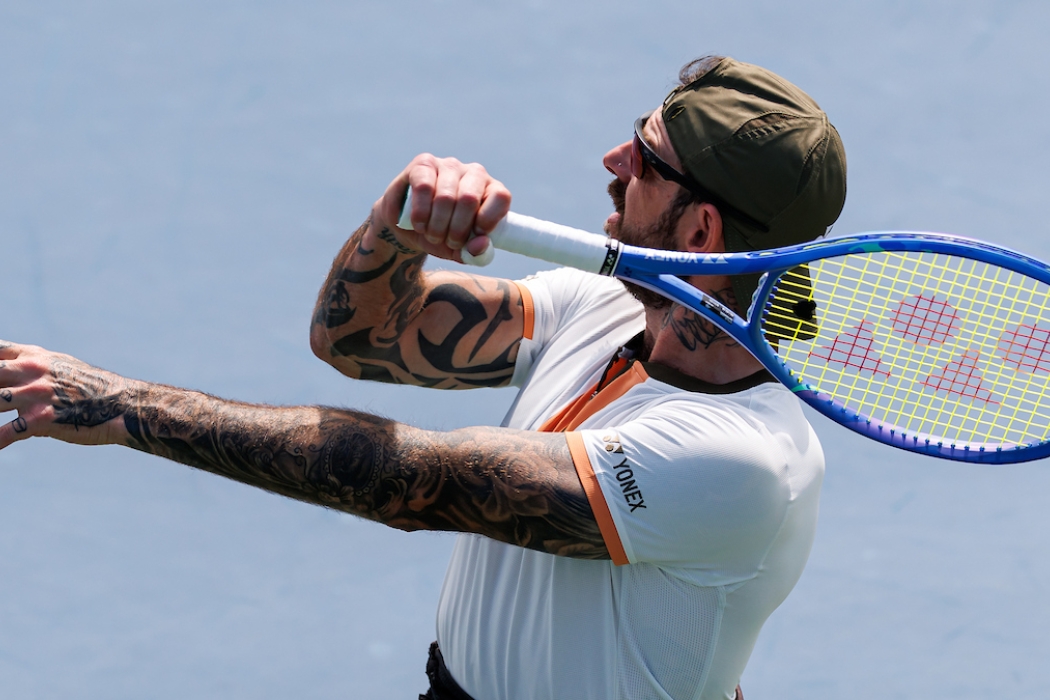
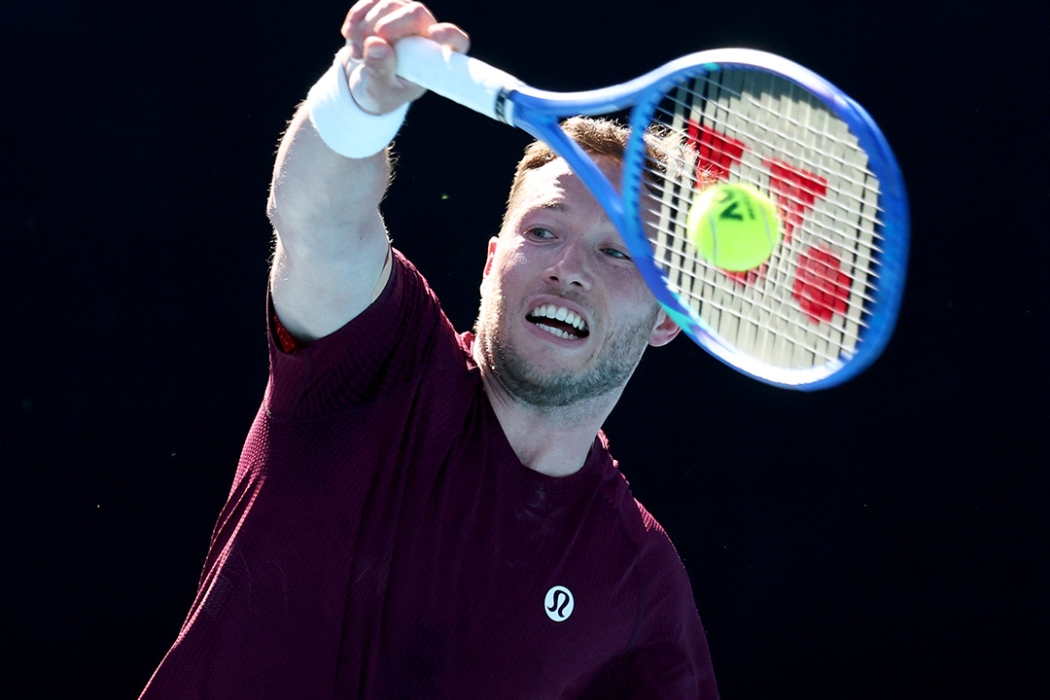
“It helps make the sport more visible, brings new eyes and a new audience, and potentially new players,” defending AO champion and world No.2 Alfie Hewett said.