Resistance to change can be a dangerous portent for a future unfulfilled and Aryna Sabalenka remembers facing the uncomfortable reality in her formative years.
It came to a head in the now world No.1’s professional journey when struggling enormously with her serve during her Australian Open campaign four years ago.
MORE: All the scores from AO 2026
Following her second-round win at Melbourne Park this year, Sabalenka admitted this challenging stretch was the ultimate wake-up call that finally convinced her to become more open to change.
She has since reached eight successive hard-court Grand Slam semifinals, four of which led to the title. Only Lindsay Davenport and Martina Hingis have reached as many since 1988.
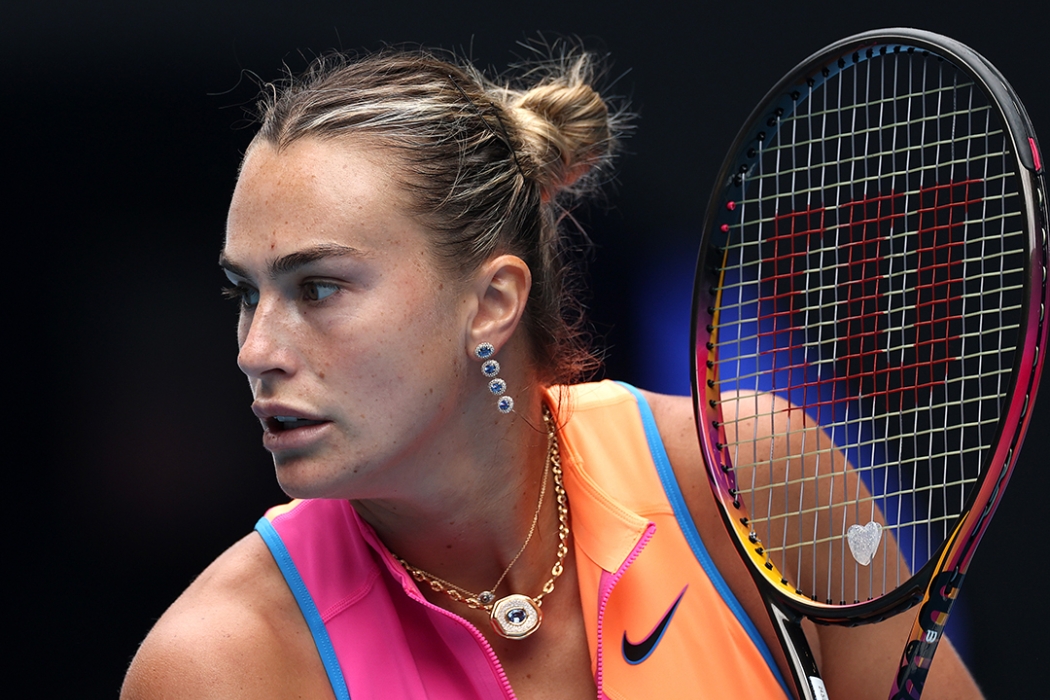
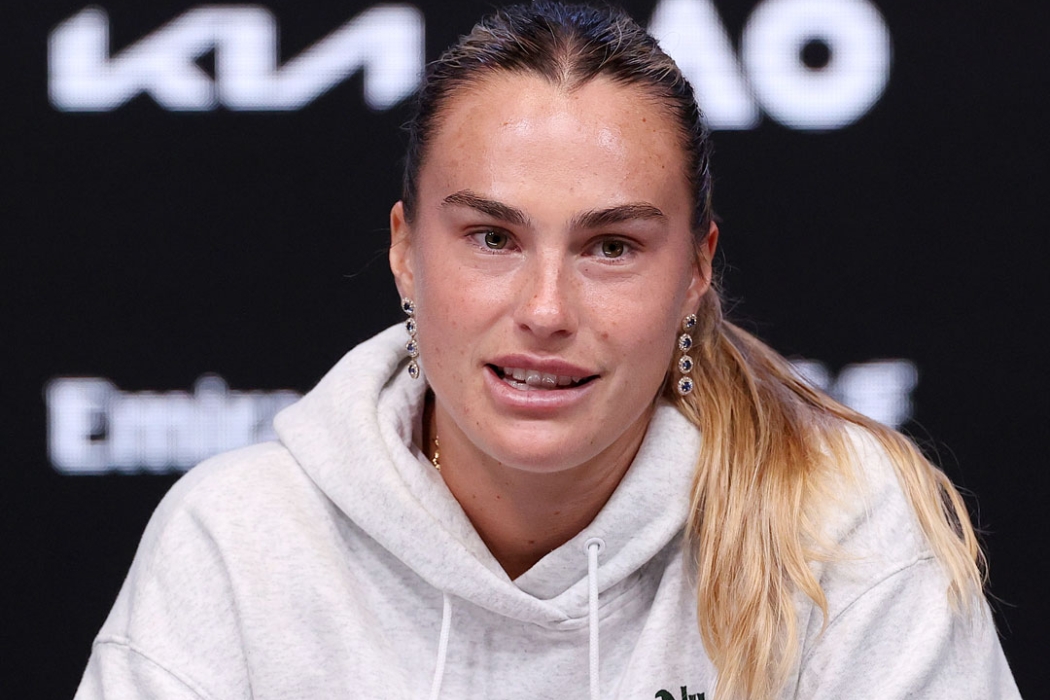
Former top-tenners Alicia Molik and Andrea Petkovic, and three-time major champion Angelique Kerber told ausopen.com that even since Sabalenka’s ascent to world No.1, her game and mentality continued to develop.
“There's a lot she’s doing better. I feel like she's just in the perfect sort of calm with her head space as well,” Australia’s former world No.8 Molik said. “We keep talking about her variety, her chip shots and she uses her slices, forehand, backhand defensively.
“But I think offensively is where she's changed that. She still uses the drop shot at the perfect time. Her power's going to help her here too … She can finish points really quickly when she wants to, and not many players in the field can do that.”
The former Australian Open quarterfinalist and Olympic bronze medallist said not enough was made of the constancy in Sabalenka’s team, which had allowed her to build trust around any adjustments in her game.
It was an environment, she said, not always common in tennis.
“I feel like having the stability off the court transitions to a solid level of play on the court,” she said. “No doubt it helps build those mental blocks, so under pressure, she's always calm. It's very, very difficult to unsettle Aryna Sabalenka.”
Former world No.9 Petkovic, also a former Australian Open quarterfinalist, said Sabalenka had improved markedly in defence, no longer relying exclusively on taking big cuts at the ball to dig her way out of trouble.
The German said the four-time major champion was playing more percentage tennis when pushed into the corners.
“She's finding a bit more height and a bit more depth from defensive positions, that’s No.1” Petkovic said.
"The second thing is the drop shot and the slice. She has really worked hard on getting that variation into her game just to be able to slow it down if she needs to, and now the third component – I've seen since Cincinnati, right before the US Open when Max Mirnyi came on the team – she started to implement more net attacks, started to taking more balls out of the air, serve and volley here at the Australian Open.”

Fortunately for Sabalenka, losses have paled in comparison to her successes on Grand Slam stages but having endured her share of heartaches with the trophy on the line, the 27-year-old and her team have heeded lessons each time, determined to make her a more complete package when the next major rolls around.
A year ago, her bid for an Australian Open threepeat fell just short under the lights against Madison Keys. Five months later, a capitulation to Coco Gauff in the Roland Garros decider proved even more difficult to swallow.
Former world No.1 Kerber noticed the profound impact these defeats had on Sabalenka and the catalyst they became for further adjustments.
“What changed is that she's really consistent, that she really can play a whole match on a really high level and she doesn't have such big up and downs,” said the German, a champion at Melbourne Park a decade ago.
“The last 12 months, she really took the tournaments, the confidence and now she really looks, not really unbeatable, but strong.
“You know, sometimes it's good that you have such a setback because you learn from this more than when you win a title. Sometimes this brings you even more titles than when you win the tournament, so you have to learn from this where you made mistakes.
“It seems that she learned from this final in Paris and that's why she is even stronger than before.”