Playing singles and doubles has always been common for professional tennis players.
MORE: All the scores from AO 2026
While most will focus on one or the other, there is an argument that for those who choose to concentrate on their singles career, taking to the doubles court as well can have real benefits.
This has certainly been the case in years gone past - many of the great singles champions of bygone eras also had highly successful doubles careers.
In this respect, John McEnroe has been the most successful men’s player in the Open era, winning 154 combined singles and doubles titles, while Martina Navratilova won a career box set in all three disciplines - singles, doubles and mixed doubles - amassing an impressive 344 combined titles.
It could be argued that one reason for this success was that the serve and volley singles game that was the prevailing style up until the 1980s was equally applicable on the doubles court.
Both McEnroe and Navratilova have credited their extensive doubles play as a key component in their singles success, primarily because it sharpened their volleys, reflexes, and overall net game.
While tennis has become a more baseline-heavy game in the modern day, playing doubles still translates to the singles court.
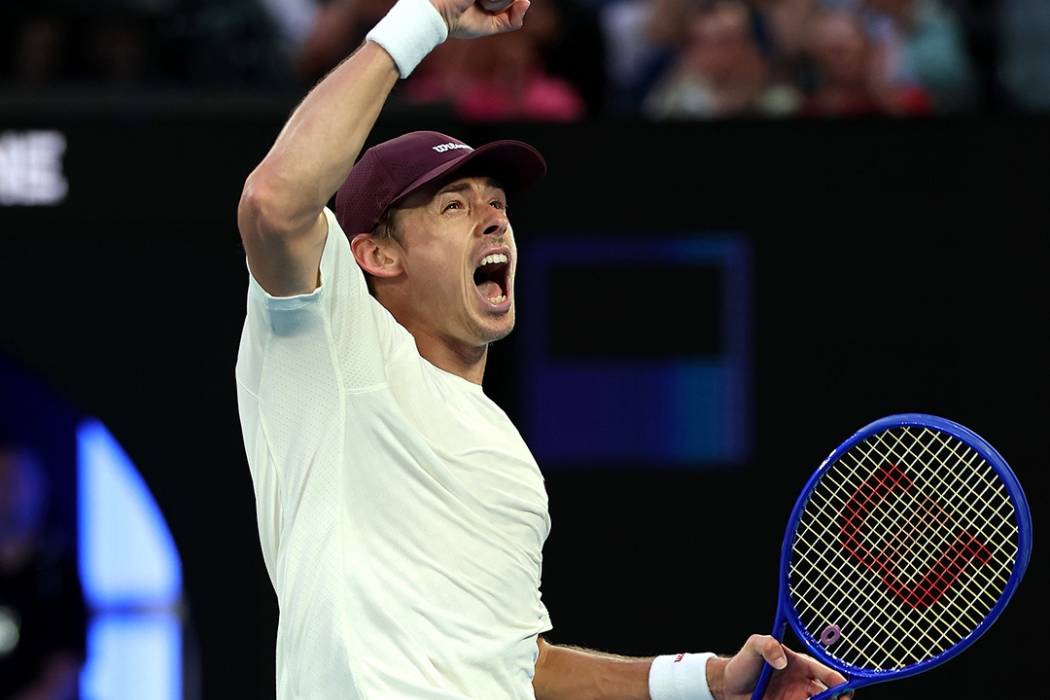
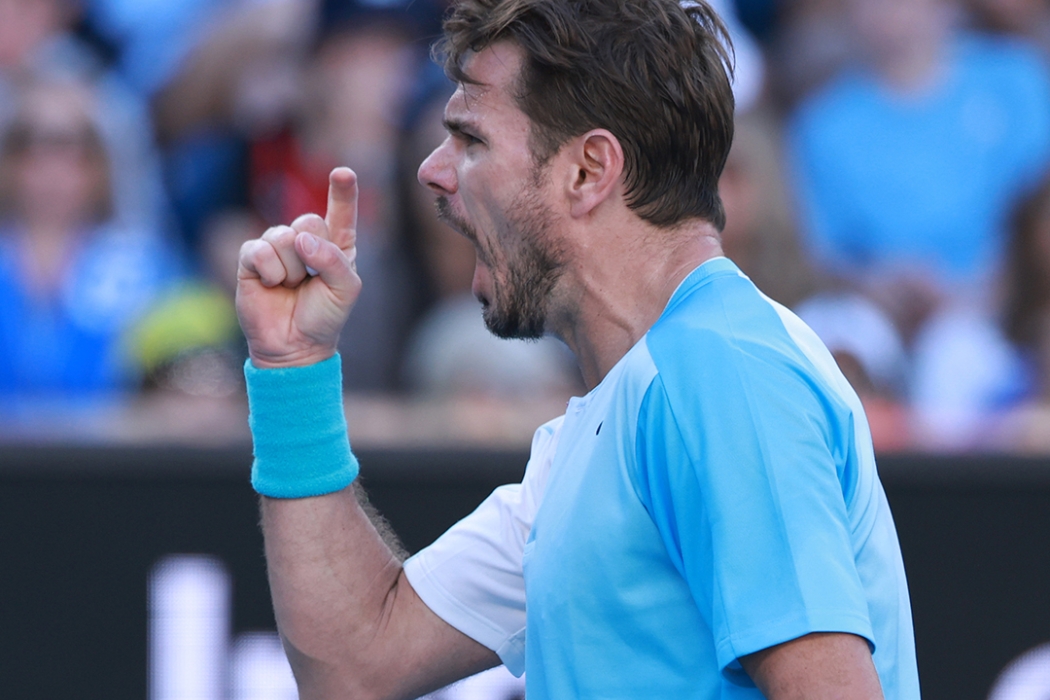
Argentine brothers Francisco and Juan Manuel Cerundolo are among the men who have competed in both singles and doubles at Melbourne Park this week, along with Belgians Zizou Bergs and Raphael Collignon.
Among the women, one current player who has had success on the singles and doubles court is Jelena Ostapenko.
The Roland Garros 2017 champion and former world No.5 has won nine singles titles and 12 doubles titles, showcasing her versality as a player.
Partnering with Chinese Taipei's Hsieh Su-wei at AO 2026, Ostapenko was also a two-time Grand Slam doubles finalist with Hsieh at the AO and Wimbledon last year.
Speaking in a recent The Sitdown interview, Ostapenko said she believes doubles does help her singles game.
“I think most of the time yes because it’s still a match,” she said.
“Doubles, of course, for me is less nerves than singles but it’s still a match. You still have some match elements to work on so I think you can take it as good practice stuff for singles.”
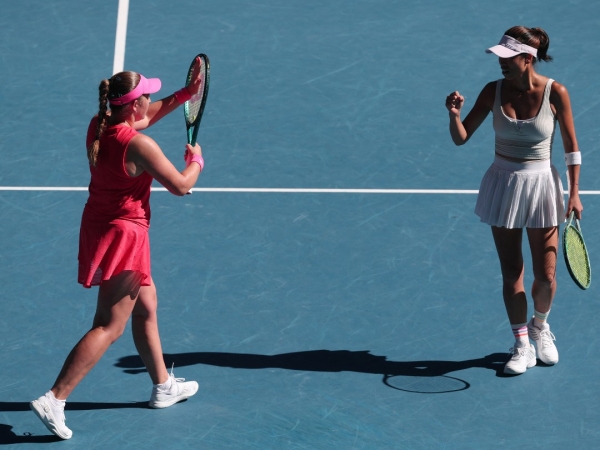
The Latvian also thinks sharing a chemistry with your doubles partner can bring the best out of you on court.
“When you have a good vibe with a person and good connection I think it’s great," she said. "Hsieh and I are having a lot of fun on the court. She’s a great personality and also I feel like the more we play the better we feel as a player, each other. We kind of match well.”
Firmly stating her primary goal is her singles career, Ostapenko nevertheless believes doubles teaches good mental habits that bode well on the singles court.
“Of course, my focus is singles but in doubles I have no pressure so I play really, in a good way, relaxed so I wish I can bring this mentality to my singles,” she said.
One young Aussie who agrees with this sentiment is Taylah Preston.
Having a great start to the year, with a solid semifinal run at the Hobart International last week, Preston is a player on the rise.
Winning her opening rounds in both singles and doubles at AO 2026, the 20-year-old explained the technical factors in doubles that help sharpen her singles game.
“Doubles definitely helps you out on the singles court," she said. "If you wanna work on your serving or your returning and just get dialled in with targets, doubles helps cause you have to be more specific in doubles cause there’s two players instead of one so there’s a lot less space.”
“I also think it helps with being confident up in the net. In singles as well, if you do have to play a couple of volleys, you know you can do it 'cause you’ve done it in doubles. I think it gives you a bit more confidence in all parts of your game.”
Partnering with fellow Aussie, Lizette Cabrera, Preston also believes playing doubles is better match preparation for singles than simply warming up on the practice court.
“I played my singles yesterday and doubles today, but I think it’s nice to be able to be able to play doubles instead of just practising again," she added. "You still get to compete and work on stuff in a live match situation which I personally prefer to just having another practice session.”
When questioned about the prospect of pulling out of the doubles to focus on her singles if she had a deep run, Preston was adamant about her commitment to doubles.
“For me if I’m playing, I’m committed to playing the whole tournament," she said. "I love being out there and competing and we’re so lucky to play here so any opportunity I get to play out here I’ll take and that goes for most tournaments as well.”
“I mean hopefully if I go deep in singles, I still keep playing doubles as well.”
With Ostapenko and Preston highlighting the tactical, technical and mental benefits that playing doubles has on the singles court, it’s clear that the modern-day pros still believe in the power of doubles.